In an era of escalating cyber threats, Managed Security Services have become essential for organizations that want strong protection without building large in-house security teams. Businesses today face ransomware, phishing, insider threats, and compliance risks that demand continuous monitoring and expert response. Working with a trusted cybersecurity service provider allows companies to protect their digital assets while staying focused on growth.
This guide explains how managed security services work, why they matter for small and mid-sized businesses, and how to evaluate providers, especially if you’re looking for reliable cybersecurity services in the USA.
What Are Managed Security Services?
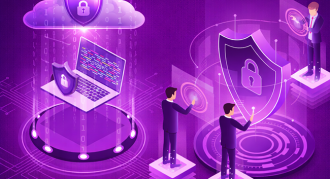
Managed Security Services refer to outsourced cybersecurity solutions where a specialized provider monitors, manages, and responds to security threats on your behalf. Instead of relying only on internal IT teams, organizations partner with experienced cyber security companies to gain 24/7 protection.
These services typically include threat detection, incident response, vulnerability management, and compliance support. For many organizations, managed services offer enterprise-grade security at a predictable cost.
Why Businesses Choose Managed Security Services
Modern cyber risks are complex and continuous. Here’s why businesses increasingly rely on managed services instead of standalone tools.
Rising Threat Landscape
Attackers are targeting organizations of all sizes. From ransomware to supply-chain attacks, even small firms are now prime targets. Many business cybersecurity services fail because they rely only on reactive defenses.
Skills and Resource Gap
Hiring and retaining security experts is expensive. Managed services give companies access to seasoned analysts, engineers, and threat hunters without the overhead.
Cost Efficiency
For many organizations, managed services cost less than building an in-house SOC. This is especially true for companies seeking cyber security services for small business setups.
Core Components of Managed Security Services
A comprehensive managed security model goes beyond basic monitoring.
1. Continuous Monitoring and Detection
Providers monitor networks, endpoints, and cloud environments around the clock. Advanced analytics help identify suspicious behavior early, reducing dwell time.
2. Incident Response and Remediation
When threats are detected, rapid response is critical. Managed teams isolate affected systems, contain the threat, and guide recovery.
3. Vulnerability and Patch Management
Regular assessments identify weaknesses before attackers exploit them. This is a key differentiator between standard IT support and cybersecurity managed services.
4. Compliance and Reporting
Many industries must meet regulatory standards. Managed services help organizations align with frameworks such as ISO, SOC 2, or HIPAA, especially for firms operating across the U.S.
Managed Security Services for Small and Mid-Sized Businesses
Small and mid-sized organizations face the same threats as enterprises, but with fewer resources. That’s why demand for network security providers for small business continues to grow.
Managed services help SMBs:
- Protect endpoints and cloud workloads
- Detect threats early
- Meet customer and regulatory expectations
For growing companies, these solutions often represent the best cyber security services for small business needs, scalable, affordable, and effective.
How Managed Services Support Remote and Hybrid Teams
Remote work has expanded the attack surface. Employees now access systems from home networks and personal devices, increasing risk.
Securing Distributed Workforces
Managed providers implement zero-trust access, endpoint protection, and secure VPNs to safeguard remote teams.
Expert Monitoring for Distributed Work Infrastructures
This leads many organizations to ask: who offers trusted cybersecurity for remote teams? The answer is providers that combine endpoint visibility with real-time threat response.
Another common question is who provides leading cybersecurity for remote teams? Look for firms with proven experience securing cloud-first and remote environments.
For deeper insights, see our guide on remote cybersecurity practices for U.S. teams.
Choosing the Right Managed Security Provider
Not all providers deliver the same value. Selecting the right partner is critical.
Proven Expertise and Coverage
Look for cyber security services for companies that offer end-to-end coverage of the network, endpoint, cloud, and identity.
Transparent Processes and SLAs
Clear response times, escalation paths, and reporting are essential. The best security operations outsourcing providers for small and medium businesses prioritize transparency.
Local and Regional Experience
For organizations operating domestically, working with teams familiar with U.S. regulations is a major advantage. As a result, many firms specifically look for providers offering cybersecurity services in the USA.
Managed Security Services vs. Traditional IT Security
Traditional IT security often relies on tools and periodic checks. Managed services, by contrast, deliver proactive and continuous protection.
| Aspect | Traditional IT Security | Managed Security Services |
| Monitoring | Periodic | 24/7 |
| Expertise | Limited | Dedicated security experts |
| Response | Reactive | Proactive and rapid |
| Scalability | Low | High |
This proactive model is why many organizations now view managed services as a core business requirement.
Why Businesses Trust Experienced Cyber Security Companies
Reputation matters in cybersecurity. Organizations increasingly seek the best cyber security companies with proven track records, strong processes, and real-world incident experience.
At Ekfrazo, we focus on delivering practical, resilient security outcomes. Learn more about our approach on our Cybersecurity Services page or explore our perspective in this detailed post on the best cybersecurity services company in the USA.
When Should You Adopt Managed Security Services?
You should consider managed services if:
- Your business handles sensitive data
- You lack a dedicated security team
- You support remote or hybrid workers
- You need consistent compliance reporting
If any of these apply, partnering with a managed provider can significantly reduce risk.
Getting Started with Managed Security Services
Adopting managed security is not just about technology; it’s about partnership. Start by assessing your current risks, defining goals, and choosing a provider aligned with your business needs.
To learn more about Ekfrazo and our mission, visit our About page. If you’re ready to discuss your requirements, reach out through our Contact page. You can also return to our homepage to explore additional resources and insights.